The Best Turkey Recipe for Every Season
Discover the best turkey recipe that captures the essence of every season, perfect for any gathering.

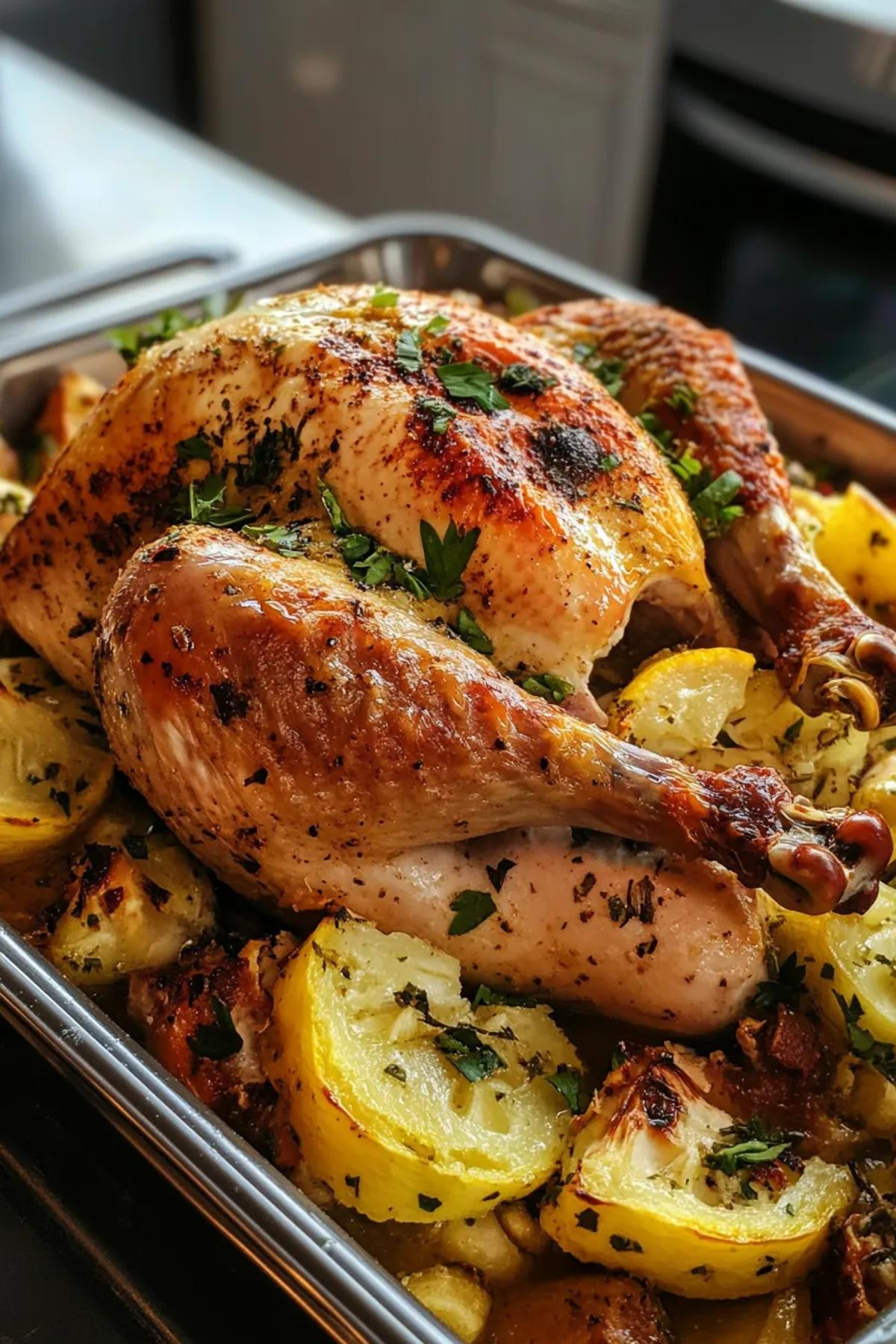
Table of Contents
Every Thanksgiving, my kitchen transforms into a bustling hub of warmth and love, echoing with laughter and the clatter of pans. This tradition began with my grandmother, whose turkey was legendary in our family. Her secret? A blend of seasonings and an unexpected splash of citrus. Over the years, I have tweaked and perfected this recipe, creating what I truly believe to be the best turkey recipe. The scent of rosemary and thyme mingling with the rich aroma of roasting turkey fills my mind with cherished memories of family gatherings.
Every time I prepare this turkey, I'm reminded of those moments we’ve shared, gathering around the table, eagerly anticipating the first juicy bite. Much like my classic sourdough bread, this recipe has become a staple, a testament to the culinary heritage passed down through generations.
Why This Recipe Works
This recipe works because it combines time-tested techniques with modern culinary insights. The brining process infuses the turkey with flavor and moisture, while the herb butter adds a depth of flavor and aids in browning. By using a roasting pan with a rack, the turkey roasts evenly, preventing any soggy spots. The meat thermometer ensures precision, taking the guesswork out of achieving perfect doneness. These carefully considered steps culminate in a turkey that is both visually stunning and delectably delicious, truly earning its title as the best turkey recipe.
Chef's Technique
The secret to this best turkey recipe lies in the brining process. By soaking the turkey in a seasoned saltwater solution overnight, the meat absorbs moisture and flavor, ensuring it stays juicy even after hours in the oven. The science behind brining is simple yet effective: the salt in the brine breaks down muscle proteins, which enhances the turkey's natural ability to retain moisture. This technique is crucial, especially when aiming for a perfectly cooked bird with a golden, crispy skin.
After brining, the turkey is patted dry and coated in a herb-infused butter, which not only adds flavor but also helps in achieving that coveted crispy skin. Utilizing a roasting pan with a rack ensures even heat distribution, allowing the turkey to cook uniformly while the juices drip down, ready to be transformed into a rich, velvety gravy.
For best results, I recommend using a meat thermometer to check the internal temperature, ensuring it reaches 165°F in the thickest part of the breast. This guarantees a fully cooked yet tender and moist turkey, every time.
Testing Tip
A crucial element in achieving the best turkey recipe is allowing the turkey to rest after it has finished cooking. Letting the turkey rest for at least 20 to 30 minutes before carving allows the juices to redistribute throughout the meat, resulting in a juicy, flavorful bite. Skipping this step can lead to a dry turkey, as the juices will run out the moment you cut into it.
Additionally, make sure to monitor the turkey closely during the last hour of cooking. Tent the bird with foil if it starts to brown too quickly. This simple step can make a significant difference in the final presentation and taste of your turkey, ensuring it becomes the centerpiece of your holiday feast.
Why You'll Love This Recipe
- Combines traditional flavors with modern techniques
- Ensures a juicy, moist turkey every time
- Perfect for any season or occasion
- Uses simple, accessible ingredients
- Creates lasting memories around the table
Frequently Asked Questions
Yes, you can brine the turkey overnight and prepare the herb butter in advance. This will save time on the day of cooking.
Though a meat thermometer is recommended for accuracy, you can check doneness by ensuring the juices run clear when the thigh is pierced.
Store leftovers in an airtight container in the refrigerator for up to 3 days or freeze for up to 3 months.
Serving Suggestions
Serve this turkey with a side of roasted seasonal vegetables and a dollop of homemade cranberry sauce. A crisp green salad and warm bread rolls complement the meal beautifully.
Expert Tips
- Tip:
A crucial element in achieving the best turkey recipe is allowing the turkey to rest after it has finished cooking. Letting the turkey rest for at least 20 to 30 minutes before carving allows the juices to redistribute throughout the meat, resulting in a juicy, flavorful bite. Skipping this step can lead to a dry turkey, as the juices will run out the moment you cut into it.
Additionally, make sure to monitor the turkey closely during the last hour of cooking. Tent the bird with foil if it starts to brown too quickly. This simple step can make a significant difference in the final presentation and taste of your turkey, ensuring it becomes the centerpiece of your holiday feast.
Creative Variations
Storage & Reheating
Final Thoughts
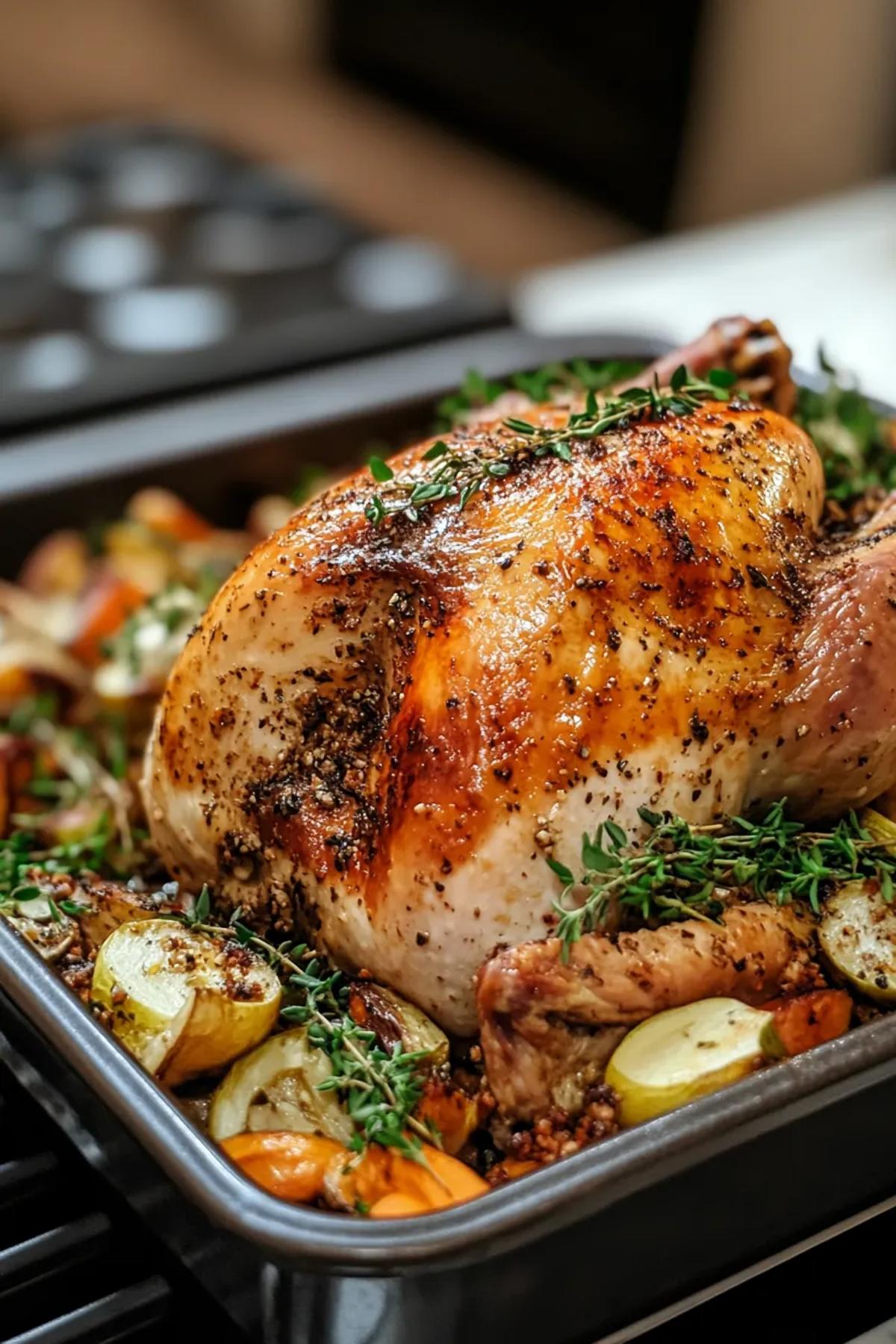
The Best Turkey Recipe for Every Season
Discover the best turkey recipe that captures the essence of every season, perfect for any gathering.
Ingredients
Ingredients
Instructions
Preparation
Prepare the Brine
In a large pot, combine water, kosher salt, and brown sugar. Stir until dissolved. Submerge the turkey, cover, and refrigerate overnight.
Cooking
Prepare the Herb Butter
Mix softened butter with rosemary, thyme, lemon zest, and black pepper. Set aside.
Roast the Turkey
Preheat oven to 325°F. Remove turkey from brine, rinse under cold water, and pat dry. Rub herb butter under the skin and on the surface. Place on a rack in a roasting pan and roast for approximately 3 hours, or until internal temperature reaches 165°F.
Tools Needed
- Roasting pan
- Meat thermometer
- Basting brush
Allergy Info
None