Tender One Pot Pork Tenderloin with Seasonal Vegetables
Discover the simplicity of one pot pork tenderloin recipes that deliver a tender and flavorful meal with minimal cleanup.

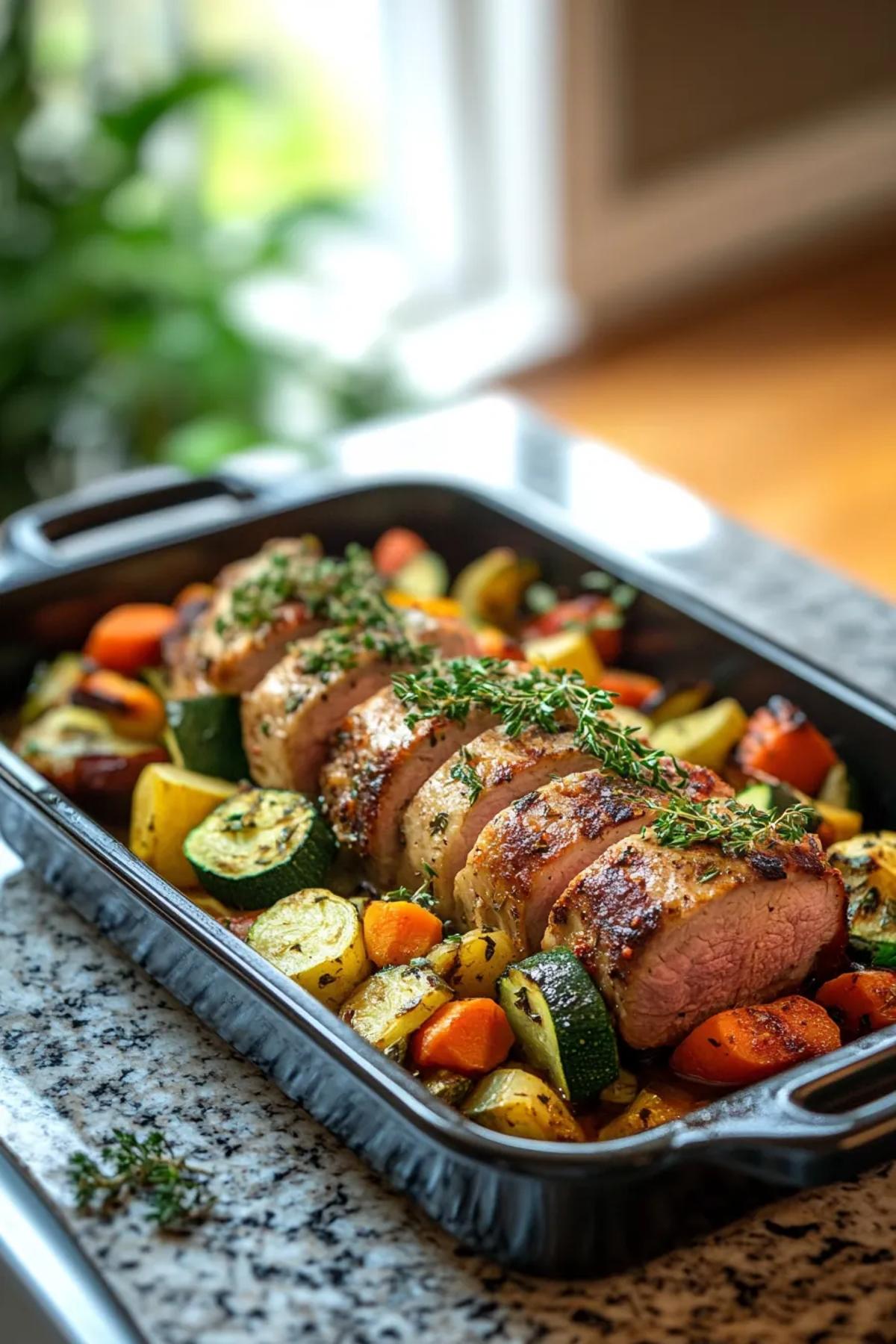
Table of Contents
One pot meals have always held a special place in my heart, reminding me of cozy family dinners on chilly evenings. The inspiration for this one pot pork tenderloin recipe came from a desire to capture the essence of those comforting meals while embracing the vibrant freshness of seasonal vegetables. I remember a particular autumn evening, the air crisp and cool, when my mother would prepare a similar dish, filling the house with the rich aroma of roasting pork and herbs. It was more than just a meal; it was an experience that brought us together, sharing stories and laughter around the table.
Today, I carry forward that tradition, savoring the simplicity and warmth of one pot cooking. This recipe encapsulates that nostalgia, offering a dish that's both hearty and effortlessly elegant, perfect for any occasion.
Why This Recipe Works
This one pot pork tenderloin recipe works flawlessly because it combines the art of searing with the convenience of one pot cooking. The high-heat sear creates an irresistible crust, while the slow, steady cooking with vegetables allows the flavors to meld beautifully. This method ensures that the pork remains moist and tender, while the vegetables soak up the savory juices, resulting in a dish that's both satisfying and vibrant.
Chef's Technique
The secret to achieving perfectly tender pork in this one pot pork tenderloin recipe lies in the initial searing process. Searing the pork at a high temperature creates a flavorful crust, locking in the juices and enhancing the overall taste. Use a Dutch oven to ensure even heat distribution, which is crucial for a uniform sear. Heat the pot until it's almost smoking before adding the pork, which should be patted dry to remove any moisture that could inhibit browning.
Once seared, the pork is nestled among a medley of seasonal vegetables, allowing their flavors to meld as they cook together. This method not only simplifies the cooking process but also enhances the dish's flavor profile. The vegetables absorb the savory juices from the pork, resulting in a harmonious blend of tastes and textures.
Patience is key here; giving the tenderloin time to rest after cooking ensures the juices redistribute evenly, making each slice as juicy and flavorful as the last. Much like the technique I use in my perfect roast chicken, this resting period is essential for maximum tenderness.
Testing Tip
To guarantee that your one pot pork tenderloin turns out perfectly every time, use a meat thermometer to check the internal temperature of the pork. The ideal temperature for pork tenderloin is 145°F (63°C), ensuring it is cooked through but still juicy. Insert the thermometer into the thickest part of the tenderloin for an accurate reading. If you don't have a thermometer, you can use the touch test: the pork should feel firm but still slightly springy when pressed.
Additionally, be mindful of the vegetable sizes; cut them into uniform pieces to ensure even cooking. This attention to detail will help replicate the same results each time, much like following the careful steps in my homemade pasta recipe for perfect texture.
Why You'll Love This Recipe
- Simplifies dinner with minimal cleanup
- Highlights fresh, seasonal produce
- Delivers a tender and flavorful pork
- Brings back nostalgic family meal vibes
- Adaptable with different vegetables
Frequently Asked Questions
Yes, feel free to use any seasonal vegetables you have on hand. Root vegetables work particularly well for their ability to absorb flavors.
You can prepare the ingredients ahead of time, but for best results, cook the dish fresh. If needed, you can reheat leftovers gently to maintain the pork's tenderness.
A heavy-bottomed pot with a tight-fitting lid can work as an alternative. Ensure it can withstand the initial high searing temperatures.
Serving Suggestions
Serve this one pot pork tenderloin with a side of crusty bread to soak up the savory juices. A crisp green salad compliments the richness of the dish, providing a refreshing contrast.
Expert Tips
- Tip:
To guarantee that your one pot pork tenderloin turns out perfectly every time, use a meat thermometer to check the internal temperature of the pork. The ideal temperature for pork tenderloin is 145°F (63°C), ensuring it is cooked through but still juicy. Insert the thermometer into the thickest part of the tenderloin for an accurate reading. If you don't have a thermometer, you can use the touch test: the pork should feel firm but still slightly springy when pressed.
Additionally, be mindful of the vegetable sizes; cut them into uniform pieces to ensure even cooking. This attention to detail will help replicate the same results each time, much like following the careful steps in my homemade pasta recipe for perfect texture.
Creative Variations
Storage & Reheating
Final Thoughts
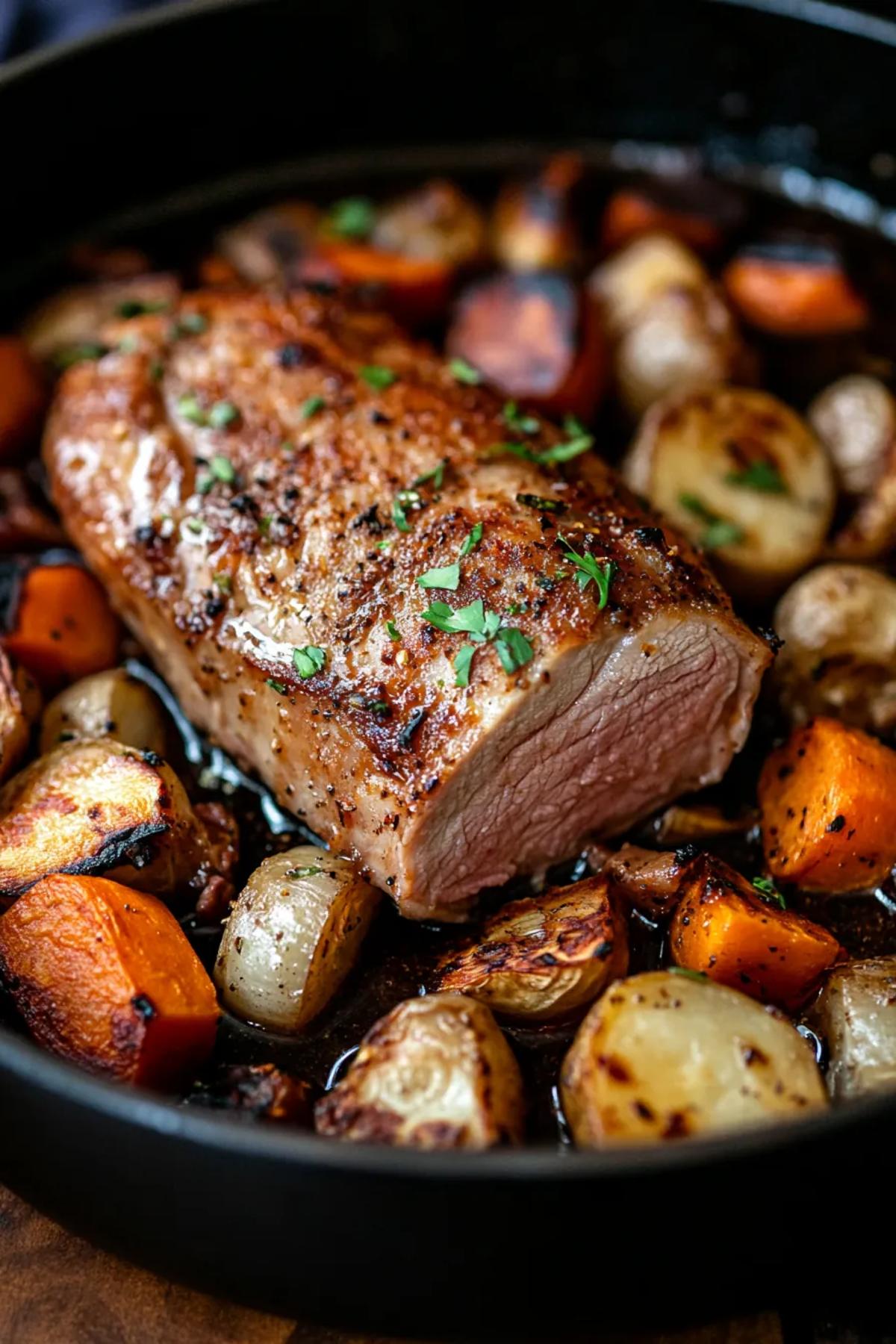
Tender One Pot Pork Tenderloin with Seasonal Vegetables
Discover the simplicity of one pot pork tenderloin recipes that deliver a tender and flavorful meal with minimal cleanup.
Ingredients
Ingredients
Instructions
Cooking Instructions
Prepare the Pork
Pat the pork tenderloin dry with paper towels, then season with salt and pepper.
Sear the Pork
Heat the olive oil in a Dutch oven over medium-high heat. Sear the pork on all sides until browned, about 5 minutes total.
Add the Vegetables
Add the garlic, carrots, potatoes, and green beans to the pot. Pour in the chicken broth.
Cook and Serve
Cover the pot and reduce the heat to low. Simmer for 30 minutes or until the pork reaches 145°F. Let rest for 5 minutes before slicing and serving.
Tools Needed
- Dutch oven
- Chef's knife
- Cutting board
Allergy Info
None