Sunlit One-Pot Pasta Salmon Spinach Delight
one pot pasta salmon spinach comes together in a single skillet for a breezy, nutrient‑rich dinner that sings of sea breezes and garden greens.

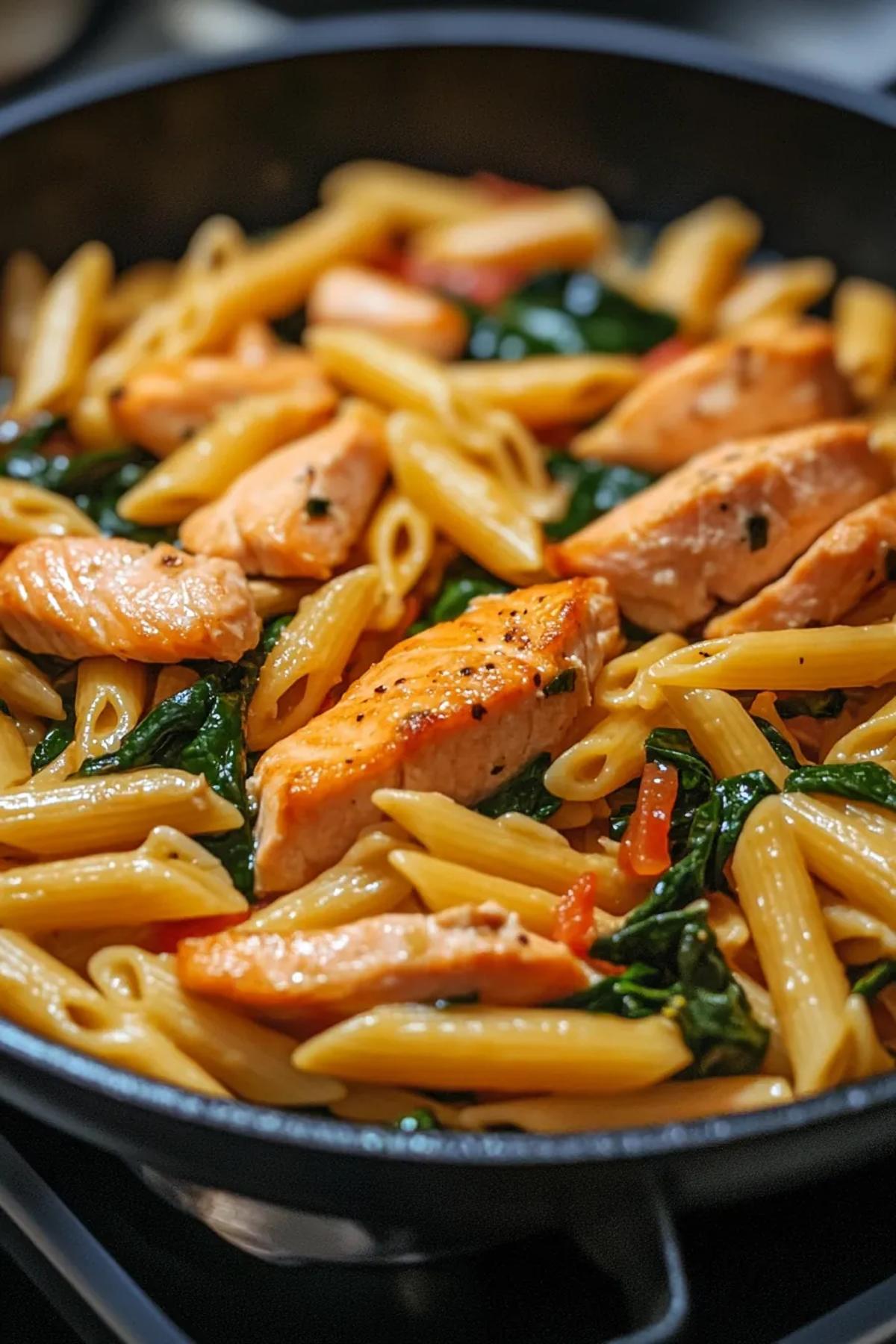
Table of Contents
From a Sun‑Kissed Dock to My Kitchen
It was a golden afternoon on the pier in Santa Cruz when I first tasted the sweet, buttery flesh of a freshly caught salmon, still glistening with the ocean’s mist. The salty breeze, the sound of gulls, and a bowl of al dente linguine tossed with wild spinach from my garden inspired me to create a dish that captures that moment in a single pot. I wanted something fast enough for a weekday, yet elegant enough to serve guests on a weekend. That’s how the one pot pasta salmon spinach recipe was born – a love letter to the sea and the garden, all in one skillet.
Mastering the One‑Pot Harmony
When you combine proteins, starches, and greens in one vessel, timing is everything. I start by pan‑searing the salmon skin‑side down in a hot skillet, letting the heat render the fat and create a crisp, flaky crust – a technique that locks in omega‑3 richness while adding a nutty depth. Once the salmon is golden, I remove it briefly, then deglaze the pan with white wine and broth, scraping up those caramelized bits. The broth’s acidity helps the pasta absorb flavor while cooking evenly. Adding the pasta directly to the liquid creates a creamy sauce without cream; the starch released from the noodles emulsifies with the butter and cheese, yielding a velvety coating that clings to every strand.
Why This Recipe Works
The magic of this one pot pasta salmon spinach lies in the starch‑rich pasta acting as a natural thickener. As the pasta cooks, it releases amylose, which, when combined with the butter and a splash of cream, creates a silky sauce that coats the salmon and spinach. Simultaneously, the broth’s salt balance seasons the dish, while the quick wilt of spinach preserves its bright color and nutrient profile. This synergy eliminates the need for a separate sauce pan, reducing cleanup and preserving flavor integrity.
Ensuring Perfect Pasta‑Salmon Unity
To guarantee that every bite delivers the ideal bite‑texture, perform the "finger‑test" after 12 minutes of simmering: press a strand of pasta between your thumb and forefinger – it should yield a slight resistance, the hallmark of al dente. If the liquid evaporates before the pasta reaches that stage, simply add a splash more broth; the dish is forgiving, but the timing ensures the salmon remains tender and the spinach stays vibrant. For extra confidence, use a digital thermometer; the salmon should register 125°F (52°C) for a perfect medium‑rare that stays juicy when folded into the pasta.
For added inspiration, check out my Chile Crisp Bliss: A 5‑Ingredient Salmon Sensation or the bright Sun‑Kissed 5‑Ingredient Roasted Salmon Delight. If you crave a lighter twist, the Sun‑Kissed One Pot Salmon Pasta Healthy Delight offers a low‑fat version.
External resources that guided my technique include Coconut-Poached Salmon with Spinach and Rice Noodles and USDA’s nutrient guide USDA Nutrient Data for accurate macro counts.
Why You'll Love This Recipe
- One‑pot convenience means minimal cleanup.
- Balanced protein from salmon and fiber from spinach.
- Creamy sauce without heavy cream.
- Bright, citrusy finish that lifts the flavors.
- Adaptable to gluten‑free pasta.
Frequently Asked Questions
Yes, thaw the fillets in the refrigerator overnight, pat dry, and follow the same searing steps. Frozen salmon may release a bit more moisture, so increase the broth by ¼ cup to maintain the sauce consistency.
Transfer the cooled dish to an airtight container and refrigerate for up to 3 days. Reheat gently on the stovetop with a splash of broth to revive the creamy texture.
Replace the butter with olive oil and omit the Parmesan, or use a dairy‑free cheese alternative. The broth and pasta will still create a luscious sauce.
Serving Suggestions
Serve the skillet with a wedge of lemon, a drizzle of extra‑virgin olive oil, and a scattering of fresh dill. Pair with a crisp Pinot Grigio for a coastal dinner vibe.
Expert Tips
- Tip:
To guarantee that every bite delivers the ideal bite‑texture, perform the "finger‑test" after 12 minutes of simmering: press a strand of pasta between your thumb and forefinger – it should yield a slight resistance, the hallmark of al dente. If the liquid evaporates before the pasta reaches that stage, simply add a splash more broth; the dish is forgiving, but the timing ensures the salmon remains tender and the spinach stays vibrant. For extra confidence, use a digital thermometer; the salmon should register 125°F (52°C) for a perfect medium‑rare that stays juicy when folded into the pasta.
Creative Variations
Storage & Reheating
Final Thoughts
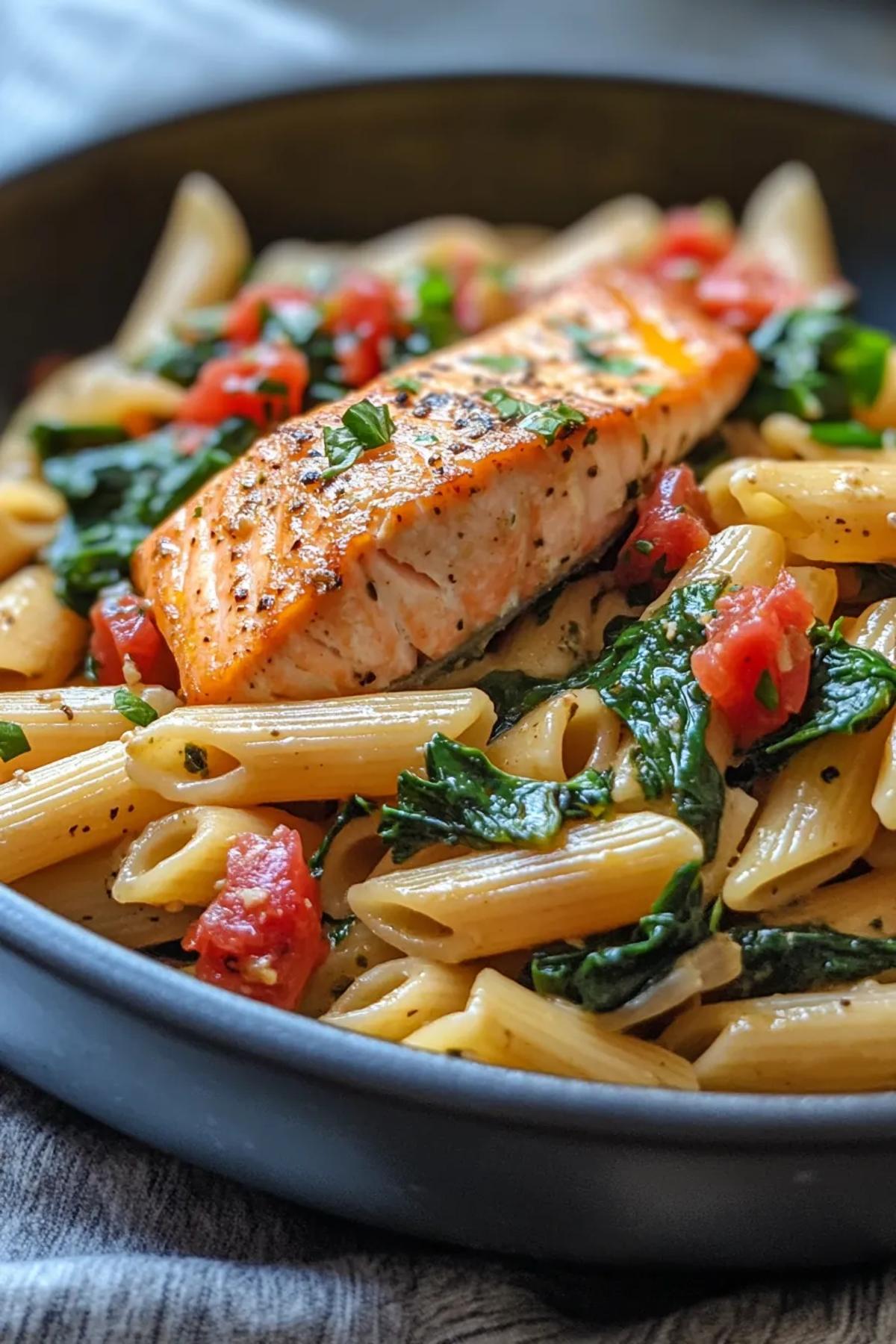
Sunlit One-Pot Pasta Salmon Spinach Delight
one pot pasta salmon spinach comes together in a single skillet for a breezy, nutrient‑rich dinner that sings of sea breezes and garden greens.
Ingredients
Ingredients
Instructions
Cooking Steps
Sear the Salmon
Heat olive oil in a 12‑inch sauté skillet over medium‑high heat. Pat salmon dry, season with salt and pepper, and place skin‑side down. Cook 4‑5 minutes until the skin crisps and releases easily, then flip and sear the flesh side for 2 minutes. Remove salmon to a plate and set aside.
Build the Flavor Base
In the same skillet, add minced garlic and sauté 30 seconds until fragrant. Deglaze with white wine, scraping the browned bits. Let the wine reduce by half, about 1 minute.
Cook the Pasta in Broth
Stir in chicken broth and bring to a gentle boil. Add the linguine, ensuring it’s submerged. Reduce heat to a simmer, cover, and cook 10‑12 minutes, stirring occasionally, until al dente and most liquid is absorbed.
Finish the Sauce
Reduce heat to low. Stir in butter, heavy cream, and half the Parmesan. Toss until the sauce thickens and coats the pasta. Add the spinach leaves, allowing them to wilt in the residual heat.
Combine Salmon and Serve
Nestle the seared salmon fillets back into the skillet, spooning some sauce over each piece. Sprinkle lemon zest, remaining Parmesan, and fresh dill. Serve directly from the skillet for a rustic presentation.
Tools Needed
- Large sauté skillet (12‑inch)
- Wooden spoon
- Measuring cups
Allergy Info
Contains fish and dairy