Savory Herb-Crusted Pork Tenderloin
Experience an explosion of flavors with our herb-crusted pork tenderloin, a dinner masterpiece that marries succulent pork with a fragrant herb crust. This pork tenderloin recipe shines with its perfect balance of tender meat and aromatic herbs, making it an ideal choice for any season.

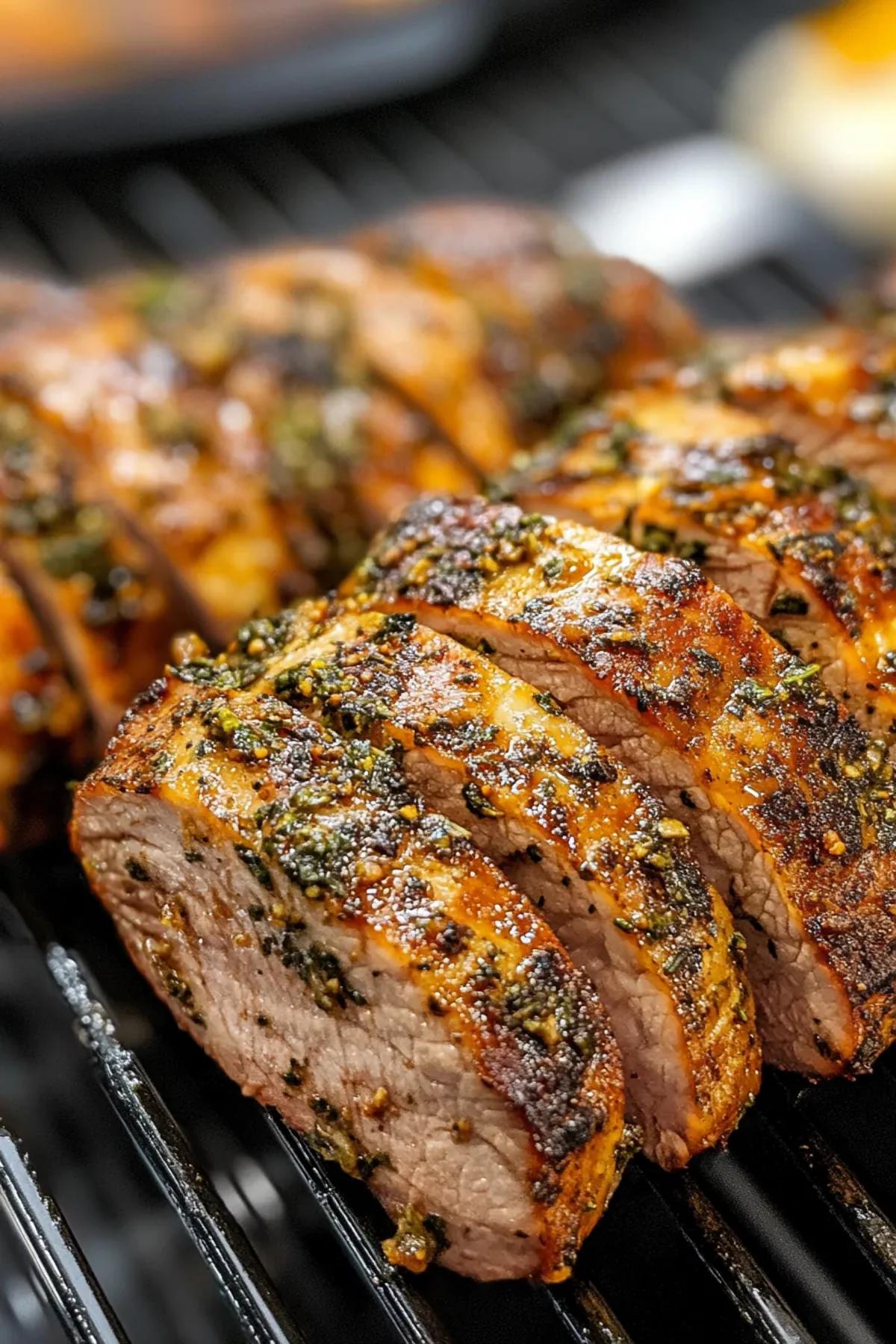
Table of Contents
The first time I made this herb-crusted pork tenderloin, I was hosting an impromptu dinner for friends who had dropped by on a warm, breezy evening. I wanted to create something that was both impressive and comforting, with ingredients I already had. As the pork roasted, the kitchen filled with the earthy aroma of fresh herbs mingling with the rich scent of the meat. It took me back to summers spent at my grandmother's, where the garden was always filled with rosemary, thyme, and sage. This dish is now a staple at my dinner table, often paired with our [Roasted Garlic Mashed Potatoes](/recipes/roasted-garlic-mashed-potatoes) or a fresh [Citrus Arugula Salad](/recipes/citrus-arugula-salad).
Chef's Technique
The secret to this dish lies in the crust. The combination of fresh herbs and breadcrumbs not only adds flavor but also creates a delightful texture contrast. The key is to ensure the pork is well-seared before being coated with the herb mixture. Searing the meat locks in its juices, ensuring a moist interior. The high heat caramelizes the surface of the pork, forming a flavorful base for the herb crust. Once seared, the pork is coated with a mix of finely chopped rosemary, thyme, and sage, blended with panko breadcrumbs for an extra crunch. The crust is then adhered with a thin layer of Dijon mustard, which adds a subtle tang and helps the herbs stick to the meat.
Testing Tip
To ensure your pork tenderloin is cooked perfectly, use a meat thermometer. The internal temperature should reach 145°F (63°C) for a tender, juicy result. Let the meat rest for at least 5-10 minutes after cooking. This resting period allows the juices to redistribute throughout the pork, making every bite succulent and flavorful. If you don't have a meat thermometer, check for firmness; the pork should have a slight give when pressed. However, investing in a thermometer is highly recommended for consistent results.
Why You'll Love This Recipe
- The herb crust provides a delightful crunch and aromatic flavor.
- Pork tenderloin is an easy-to-cook, versatile cut that absorbs flavors well.
- The recipe requires minimal preparation, perfect for any occasion.
- It's a dish that can easily be customized with different herbs or spices.
- The tenderloin remains juicy and flavorful, a guaranteed crowd-pleaser.
Frequently Asked Questions
Yes, you can use dried herbs. However, use only 1/3 of the amount as dried herbs are more concentrated.
You can substitute with yellow mustard or honey mustard for a slightly different flavor profile.
Store leftover pork in an airtight container in the refrigerator for up to 3 days. Reheat gently to avoid drying out.
Yes, wrap it tightly in plastic wrap and place in a freezer bag. It can be frozen for up to 2 months. Thaw in the refrigerator before reheating.
Serving Suggestions
This savory pork tenderloin pairs beautifully with roasted vegetables such as carrots and Brussels sprouts. For a refreshing contrast, serve alongside a bright, tangy salad like our Citrus Arugula Salad. For a heartier meal, complement it with our Roasted Garlic Mashed Potatoes or a creamy risotto.
Expert Tips
- Tip:To ensure your pork tenderloin is cooked perfectly, use a meat thermometer. The internal temperature should reach 145°F (63°C) for a tender, juicy result. Let the meat rest for at least 5-10 minutes after cooking. This resting period allows the juices to redistribute throughout the pork, making every bite succulent and flavorful. If you don't have a meat thermometer, check for firmness; the pork should have a slight give when pressed. However, investing in a thermometer is highly recommended for consistent results.
Creative Variations
To put a twist on this classic dish, try using different herbs such as tarragon or basil for a unique flavor profile. For a spicier kick, add a teaspoon of red pepper flakes to the herb mixture. If you're looking to add a sweet element, try incorporating a tablespoon of honey into the Dijon mustard before applying it to the pork. For a gluten-free version, replace panko breadcrumbs with crushed gluten-free crackers or almond flour.
Storage & Reheating
To store, wrap any leftover pork tenderloin tightly in aluminum foil or place it in an airtight container. Keep it in the refrigerator for up to 3 days. When reheating, slice the pork and gently warm it in a skillet over low heat to retain moisture. You can also reheat it in the oven, covered with foil, at 300°F (150°C) until just warmed through.
Final Thoughts
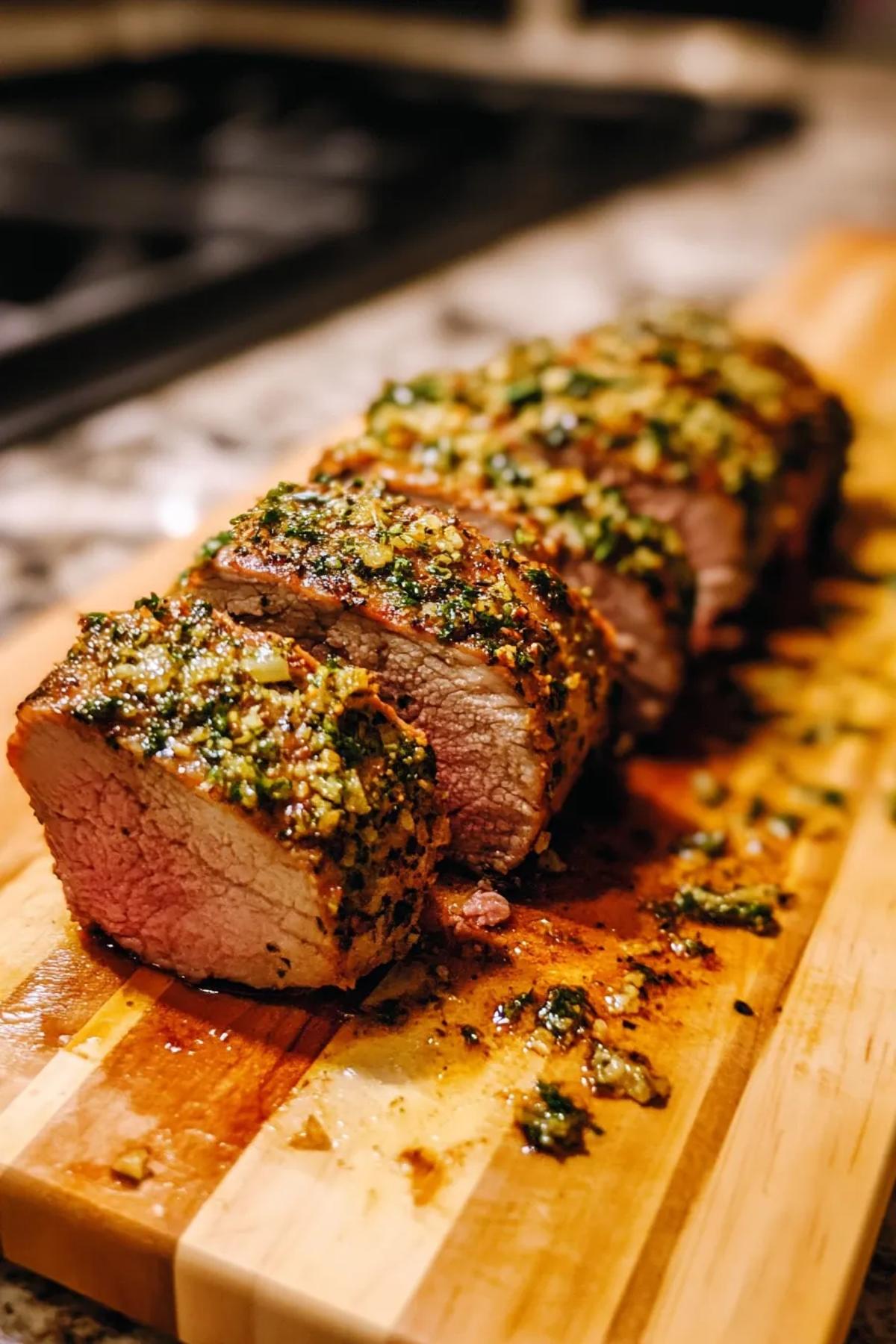
Savory Herb-Crusted Pork Tenderloin
Experience an explosion of flavors with our herb-crusted pork tenderloin, a dinner masterpiece that marries succulent pork with a fragrant herb crust. This pork tenderloin recipe shines with its perfect balance of tender meat and aromatic herbs, making it an ideal choice for any season.
Ingredients
Ingredients
Instructions
Preparation
Prepare the pork
Trim any silver skin from the pork tenderloin and pat dry with paper towels. Season with salt and black pepper on all sides.
Mix the herbs
In a small bowl, combine chopped rosemary, thyme, sage, and panko breadcrumbs. Stir well to mix the herbs evenly through the breadcrumbs.
Searing
Sear the pork
Heat olive oil in a large oven-proof skillet over medium-high heat. Once hot, add the pork tenderloin and sear on all sides until golden brown, about 3-4 minutes per side.
Coating and Roasting
Coat with mustard
Remove the pork from the heat. Brush the entire surface with Dijon mustard, creating a thin, even layer.
Add herb crust
Press the herb and breadcrumb mixture onto the mustard-coated pork, ensuring all sides are evenly covered.
Roast the pork
Transfer the skillet to a preheated oven at 400°F (200°C). Roast for 15-20 minutes, or until the internal temperature reaches 145°F (63°C).
Resting and Serving
Rest the pork
Remove the pork from the oven and let it rest in the skillet for 5-10 minutes before slicing.
Serve
Slice the pork into 1-inch thick medallions and serve immediately, garnished with additional fresh herbs if desired.
Tools Needed
- Chef's Knife
- Cutting Board
Allergy Info
Please check all ingredients for potential allergens. Always consult a professional for specific dietary concerns.